
A New Vision for Illinois Agriculture
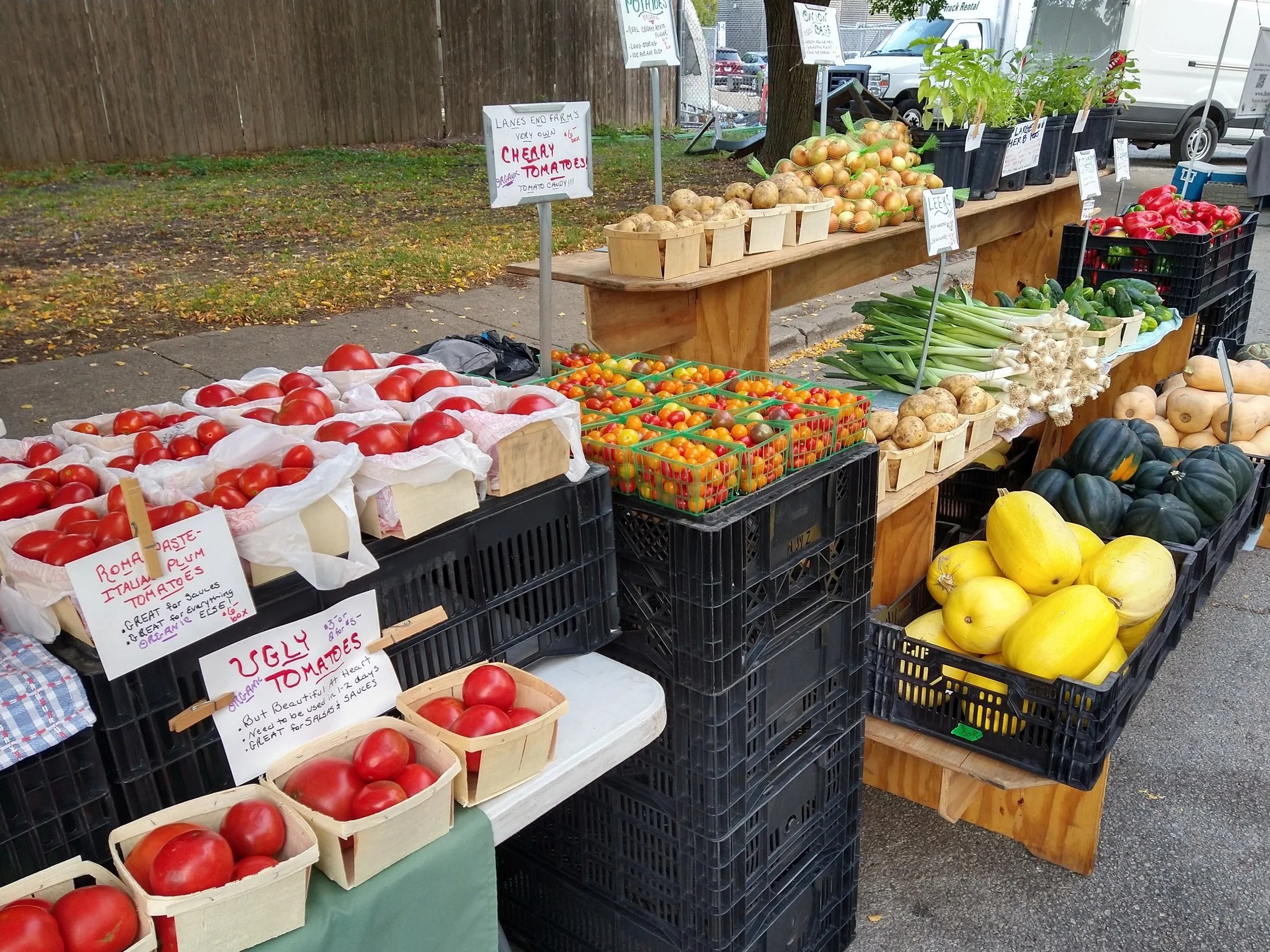
We need to get past short-term fixes.
For decades, Illinois has pursued an agricultural model built on maximizing commodity crop production. At a major summit in 2013, the Illinois Farm Bureau, supported by the University of Illinois, unveiled the ‘Vision for Illinois Agriculture’—a 10-year strategic plan focused on making Illinois a global leader in commodity crop production. Some of us still recall the excitement generated in the room around the idea of beating out Ukraine for corn sales to developing nations.
Thirteen years later, the assumptions underlying that vision have been fundamentally altered. Climate change is driving extreme heat and prolonged droughts across Western states while simultaneously devastating commodity crop production in the Midwest. This raises critical questions about what the future holds for fruit and vegetable-producing states like California, as well as commodity-producing states like Illinois. Compounding the financial losses experienced by commodity farmers in recent years is the loss of key export markets. High tariffs imposed on China and other countries under the current federal administration have deeply restricted global sales.
Consequently, the outlook for Illinois’ commodity farmers has become increasingly dire. Their options to sustain a livelihood from their land have dwindled to: growing corn and soy for biofuels; renting out their land for solar and wind energy production; selling out entirely to real estate developers or data center investors. Even growing crops strictly for industrial uses is increasingly unviable.
To mitigate the damage done to commodity markets by tariffs imposed on China and elsewhere, United States Department of Agriculture Secretary Rollins recently announced new federal support to incentivize the nation’s farmers to produce biofuels. However, the expansion of large-scale monoculture production reinforces an agricultural model that sacrifices long-term resilience for short-term returns, contributing to the loss of biodiversity and growing economic and environmental instability.
Meanwhile, Illinois’ historical focus on large-scale, monocultural commodity crop production has left the state severely food insecure, forcing it to import 95% or more of the food our residents consume.
‘IL the New CA’: A Vision for Sustainability
As an organization committed to increasing access to fresh foods and to building a stronger Illinois food system, out of these converging challenges, Experimental Station sees both opportunity and necessity for a bold new vision for Illinois agriculture: over the next 15-20 years, Illinois will transition into a major specialty crop-producing and exporting powerhouse. As we like to say: 'IL the new CA.'
‘IL the new CA’ envisions a diversified, resilient, and more sustainable Illinois agricultural ecosystem—one capable of feeding our own population while exporting a diverse array of food crops to other states. With warming conditions moving northward, Illinois will be able to produce numerous varieties of fruits and vegetables previously not grown here.
‘IL the new CA’ means supporting and incentivizing crop diversification, focusing specifically on specialty crops, shifting deliberately toward sustainable and regenerative agriculture, and building markets and the supply chain for locally grown foods.